 by PreConCentral.com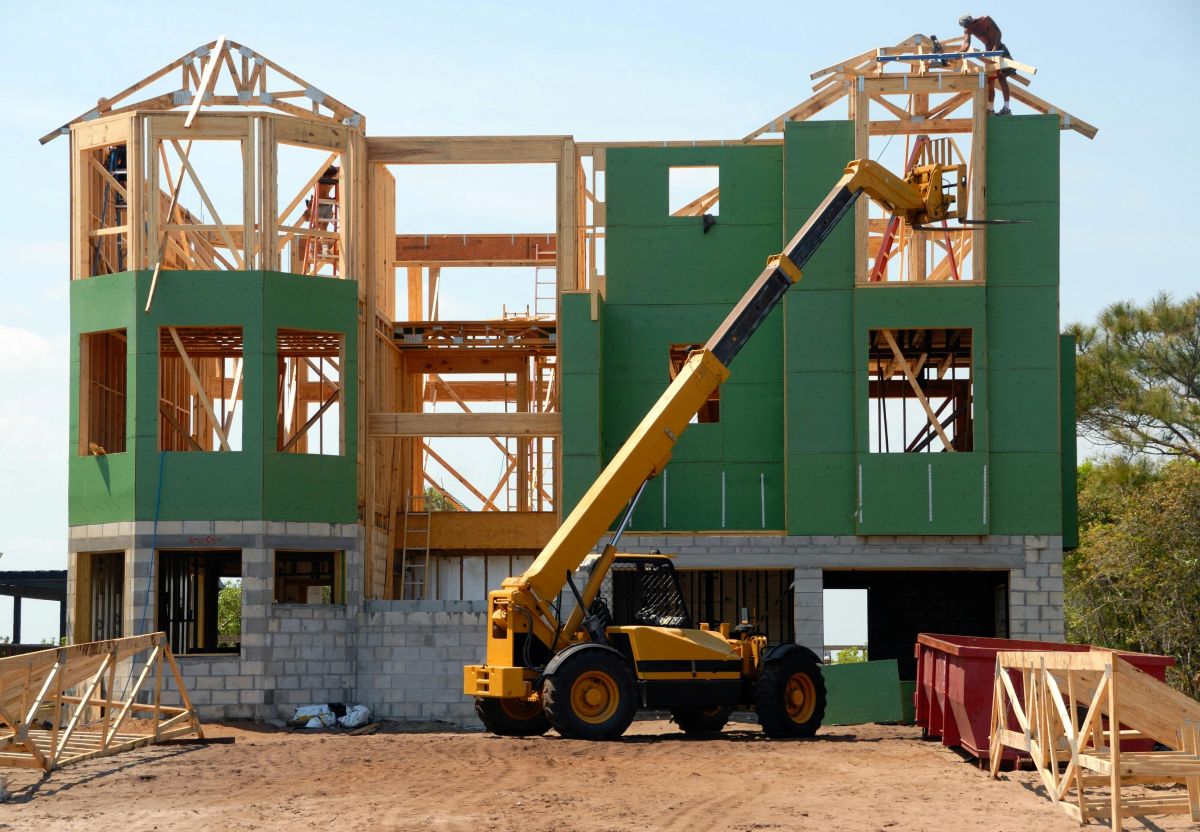
Buying a pre-construction home feels exciting. Many first-time home buyers dream of moving into a flawless, customized space. However, blueprint promises vs. move-in reality often differ sharply. Plans look beautiful on paper, but real outcomes sometimes bring surprises. It is important to understand what gets lost between the vision and the final product.
Blueprints: The Art of Selling a Vision
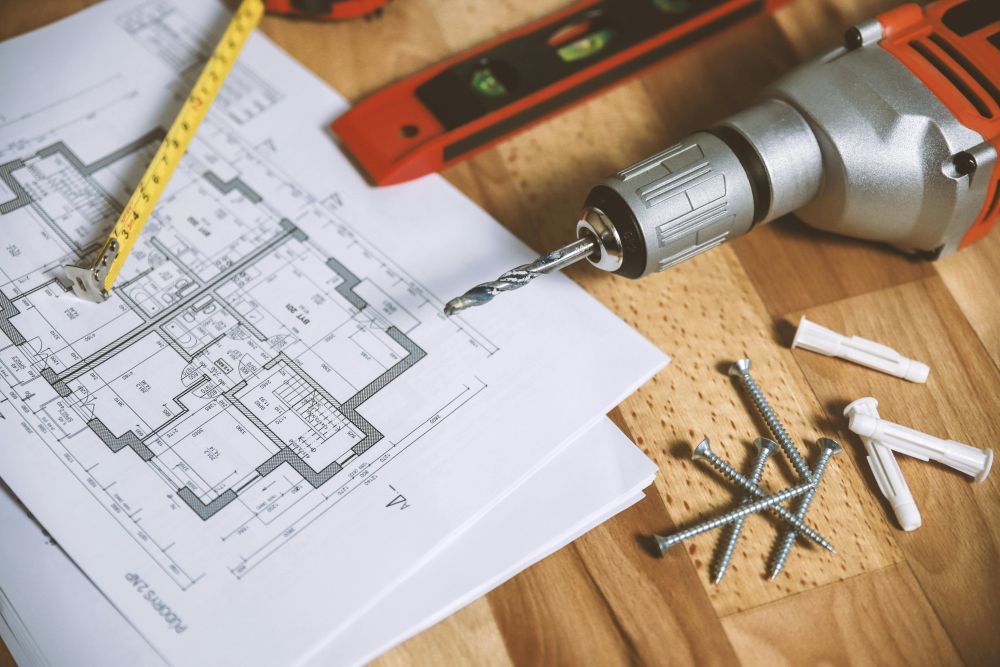
Blueprints present an ideal future when it comes to pre-constructed homes. As a matter of fact, they are crafted to appeal to emotions and create desire. Bright, spacious rooms, luxury kitchens, and grand entrances are all displayed. However, many of the features shown are upgrades, not part of the basic package.
Besides, the colors, materials, and lighting effects in renderings often exaggerate the final look. Builders use these tools to spark emotional connections. Contracts may state that illustrations are only artistic representations. Buyers should always compare marketing material against the specifications list.
In short, blueprint promises vs. move-in reality start to diverge the moment buyers accept pictures as facts. Understanding this gap early helps set realistic expectations.
The Silent Details: What You Don’t See on Paper
Blueprints highlight the big selling points. In contrast, they rarely show everything included in the final product. Landscaping, fencing, driveways, and even mailboxes may not appear in early designs. Sometimes, basic utilities or street lighting are not fully installed by move-in day.
Another key point is that model homes often feature built-in appliances, custom cabinets, and expensive flooring. These are usually upgrades, sold at a premium. Buyers must ask for a detailed list of standard inclusions. Verbal promises hold little value if they are not backed up in writing.
Similarly, many materials used during construction differ from those seen during sales presentations. Costs rise over time. Builders substitute materials to protect profit margins. Buyers must review change policies carefully before signing.
Preparing for Delays and Making Smart Choices
Pre-construction homes often involve unexpected delays. Buyers must prepare mentally and financially for shifting timelines. Some projects finish months later than promised, affecting moving schedules, lease agreements, and storage needs.
With this in mind, flexibility becomes one of the most important traits buyers can develop. Buyers should expect that adjustments will be necessary before move-in day arrives. Planning for temporary housing or extended leases prevents stress later.
As an illustration, buyers facing long delays may need to leave some things behind when coordinating moves. If moving dates change quickly, large furniture or older appliances may no longer fit plans. Being ready to prioritize essentials helps ease the transition. Another key point, buyers relocating across borders face even bigger challenges. Downsizing for an international move forces buyers to think critically about what items matter most. Shipping costs, customs rules, and smaller living spaces often limit what can travel.
Similarly, buyers of pre-construction homes sometimes find the final space differs from what they imagined. Room sizes may shrink, layouts may adjust, and ceiling heights may change. Packing light or staging possessions for later delivery protects against sudden surprises.

The Construction Phase: Where Plans Start Shifting
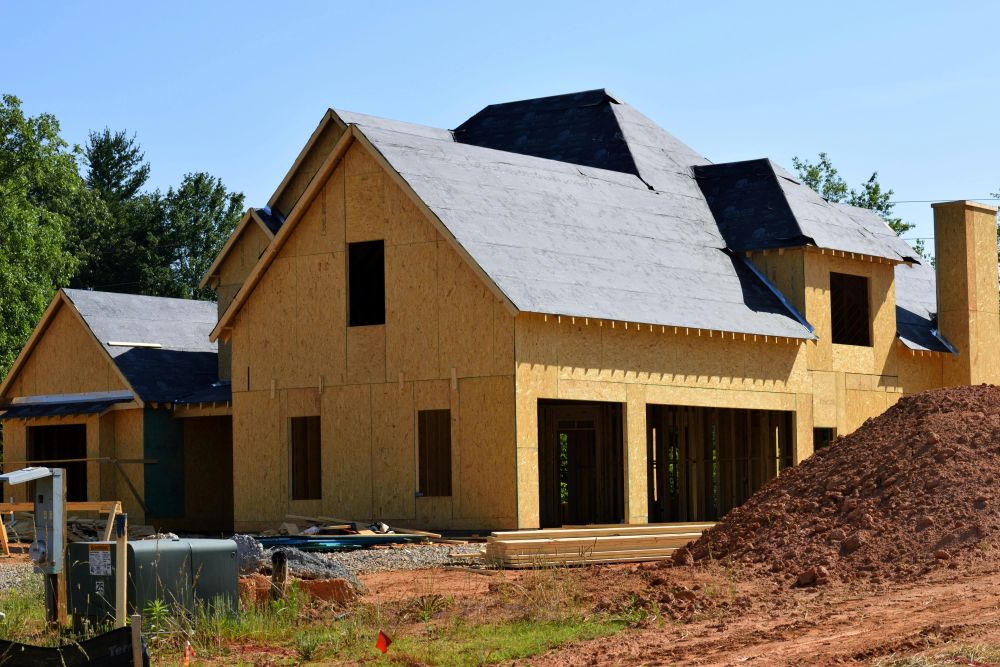
Construction rarely follows original plans perfectly. Permit delays, labor shortages, and material backorders cause frequent adjustments. As an illustration, a promised brick facade may become stucco. A planned window may shrink in size. Also, when investing in a pre-construction home in places like Ontario, there is a lot of regulation that can influence the plans.
With this in mind, buyers must understand that blueprint promises vs. move-in reality often separate during construction. Builders often include clauses that allow them to make changes without buyer consent. Structural changes, substitutions, and minor design shifts are legally protected under many contracts.
Besides, internal schedules sometimes lead to rushed work near project deadlines. Sloppy finishes, minor defects, and last-minute changes are common. Staying engaged throughout the construction phase allows buyers to catch problems early.
Final Walkthrough: Reality vs. Expectations
The final walkthrough is an essential step. Hence, buyers must approach it with a sharp eye and a prepared checklist. Paint chips, cracked tiles, uneven floors, and missing features are frequent issues. If not documented before closing, fixing these problems becomes harder later.
As a matter of fact, buyers are often surprised by missing appliances, incomplete landscaping, and cosmetic flaws. Builders focus heavily on reaching closing dates, sometimes sacrificing quality control. Independent inspections at this stage reveal hidden defects.
Differences between promises and move-in reality become most visible during the final walkthrough. Buyers should refuse to close until the agreed-upon features are delivered. Holding the final payment gives leverage for completing outstanding work properly.
Blueprint Promises vs. Move-In Reality: Protecting Yourself
Protecting your interests requires effort from the beginning. Having blueprint promises and move-in reality in mind keeps buyers vigilant. Every upgrade or special request should be clearly written into the purchase agreement.
Of course, hiring a real estate lawyer protects against unclear contract language. Lawyers help buyers catch vague promises that later cause disputes. Having professional advice during the signing process ensures fair protection.
Similarly, scheduling independent inspections during different construction stages helps track quality. Buyers should not wait until move-in day to discover issues. Staying involved throughout the project helps ensure higher satisfaction at closing.
Besides, buyers should keep all email communications, promotional materials, and meeting notes. In case of disputes, having a written trail strengthens any claims.
Lessons Learned: Turning Frustration into Smart Preparation
Nevertheless, buying a pre-construction home can still be a rewarding experience. Accepting some unpredictability early makes surprises less frustrating. In short, focusing on structural quality instead of cosmetic perfection brings better long-term value.
Checking the builder’s reputation, visiting past developments, and reading reviews reveal important patterns. Builders with consistent complaints about delays or quality problems should be avoided.
Another key point, warranties matter. Buyers must confirm what the builder warranty covers and for how long. Some issues, such as structural defects, have been covered for years. Minor cosmetic flaws may have very short warranty windows.
Future-proofing your new home through planned upgrades also makes sense. Homeowners often improve their homes after move-in to better match their personal standards. Custom landscaping, upgraded hardware, and fresh painting can bridge the gap between blueprint promises and move-in reality.
Summary: Building Smarter Dreams
Blueprint promises vs. move-in reality will always involve some level of difference. Buyers who stay alert and engaged reduce those gaps significantly. In contrast, those who trust marketing materials blindly often find disappointment waiting at move-in.
Blueprints sell dreams. Contracts deliver reality. Clear communication, detailed agreements, and personal involvement shape better results. Protecting your interests at every stage avoids major regrets later.
With this in mind, understanding the common shifts during construction helps manage emotions and financial risk. Home buying is a major investment. Smart planning leads to better experiences and lasting satisfaction.